Agentic Engineering
AI that survives production.
Anyone can ship an LLM demo. We build the retries, the provider failover, the human-review gates and the audit trails that keep it running long after launch — on top of deep production experience in Rails, React and Python.
- LLM systems running in production, not prototypes
- Retries, provider failover and audit trails built in from day one
- You talk to the senior engineer who will own it
A real pipeline, not a prompt
contract-batch-0472
live- ingest1,284 documents
- extract text1,284 / 1,284
- classify98.2% confident
- human review12 flagged
- publishqueued
- 12
- Years shipping production software
- 180+
- Codebases shipped
- 9
- LLM systems running in production
- 10+
- Senior engineers reviewing every line
Web, mobile, cloud and AI
Products, services and internal tools
Not prototypes. Live systems.
Nothing ships unreviewed
02How we build
Agentic Engineering.
Agentic Engineering is how we use AI coding agents without handing them the keys. Agents accelerate the work; a senior engineer owns every line that ships. These are the rules that separate a system that demos from one that runs.
Failure paths first
Every model call is wrapped before it is used: bounded retries, explicit timeouts, typed error handling and provider routing so one vendor's bad afternoon is not your outage. We write the failure path before the happy path.
State machines, not prompt chains
Long AI workflows are modelled as explicit, named stages — each its own idempotent background job that only enqueues the next on success. A job that dies mid-chain resumes where it stopped instead of re-burning every prior stage of tokens.
Human review is a gate, not a bolt-on
Where a wrong answer is expensive, the pipeline halts at a review boundary and waits. Reviewers see the model's disagreements and flagged issues, approve, and the downstream stages fire. Only the affected item blocks — the queue keeps moving.
Agents write code. Seniors own it.
We run agentic coding workflows daily, which is why we move fast. We also review, test and take responsibility for the output. Nothing agent-generated reaches your repository without a senior engineer having read it.
03Why it matters
The difference shows up after launch
A demo
- One happy-path prompt, one provider
- Fails silently when the API times out
- Restarts the whole job on any error
- No record of why the model decided that
- Impressive in a screen share
A production system
- Routed calls, bounded retries, provider failover
- Typed errors, classified and surfaced
- Resumable stages — restart where it broke
- Every decision logged and auditable
- Still running, unattended, next quarter
04What we do
One team. The whole build.
No handoffs between a design agency, a dev shop and a DevOps contractor. The people who scope the work build it and keep it running.
05Proof
LLM systems in production. Here is how they are built.
Clients are described by sector rather than named. The architecture is the part that matters, and it survives anonymising intact.
Legal / contract intelligence
Contract intelligence pipeline
Pulls contract PDFs from Drive and bulk uploads, unpacks nested archives and attachments, then walks each document through a chain of explicit LLM stages — citation extraction, deal typing, vendor identification, overlap and amendment detection, redaction checks.
The problem
Analysts were reading thousands of sponsorship contracts by hand. Naive automation was not an option: a wrong extraction propagates into downstream reporting, and a job that dies late in the chain cannot afford to re-burn every prior stage of tokens.
The approach
Each document is a work unit with an explicit status enum and one background job per stage. A stage only enqueues the next on success, and every job is idempotent, so a failure resumes exactly where it broke. All model calls route through a provider gateway with bounded retries, a hard timeout and typed handling for read and connect timeouts. Before anything reaches reporting, the pipeline writes a QA record listing the model's disagreements and open issues and halts at a review gate — only that item blocks; the queue keeps draining.
Pipeline
- extracting text
- citation
- deal type
- vendor
- deal data
- summary
- overlap check
- amendment check
- redaction
- human QA gate
- import
What it does in production
- Resumable pipeline with one idempotent job per stage
- Bounded retries + 180s timeout + provider failover on every model call
- Human review gate blocks the item, never the queue
- Live and unattended for over a year
Stack
Executive coaching
Retrieval-backed coaching assistant
A Slack-native assistant that answers from a curated coaching corpus rather than from whatever the base model remembers — vector search over embedded source material, with scheduled nudges pushed to users on a cadence.
The problem
A general-purpose model gives confident, generic coaching advice. The client's value was in their own methodology, so answers had to be grounded in their material and traceable back to it.
The approach
Source content is embedded into a vector index and retrieved per query, with the assistant orchestrated across multiple model providers so no single one is a point of failure. Content syncs from the client's existing operational tooling, so their team keeps editing where they already work. A scheduler drives recurring prompts without a human in the loop.
Pipeline
- sync corpus
- embed
- vector search
- compose context
- generate
- deliver in Slack
What it does in production
- Answers grounded in the client's own corpus, not model recall
- Multiple model providers behind one interface
- Non-technical team edits content in the tool they already use
- Scheduled delivery runs unattended
Stack
Sales enablement
Voice roleplay trainer
Reps practise live sales calls against an AI counterpart: speech in, transcription, a scenario-conditioned model turn, synthesised speech back — a full conversational loop that has to feel like a phone call, not a chatbot.
The problem
Latency is the whole product. A roleplay that pauses between turns stops being practice and starts being a form.
The approach
The audio round trip is split into independently tunable stages — transcription, model turn, synthesis — so each can be optimised or swapped without touching the others. Scenario state is carried across turns so the AI counterpart stays in character for the length of a real call.
Pipeline
- capture audio
- transcribe
- scenario context
- model turn
- synthesise voice
- stream back
What it does in production
- Full duplex voice loop, tuned stage by stage
- Scenario state persists across a multi-turn call
- Provider-swappable transcription and synthesis layers
Stack
Marketing technology
AI marketing console
Streaming AI chat that plans campaigns, generates creative, and reads live performance data back out of an ad platform — with two billing providers behind it and a typed service boundary in front of the ad API.
The problem
Ad platform APIs are unstable, rate-limited and awkward to type. Letting a consumer app talk to one directly means every outage becomes a frontend bug.
The approach
A dedicated service sits in front of the ad platform, owning campaign, creative and metrics access behind a typed contract. The product app consumes that, streams model responses token by token so the interface never sits blank, and generates imagery through a separate inference provider.
Pipeline
- brief
- stream plan
- generate creative
- publish campaign
- read metrics
What it does in production
- Ad-platform volatility isolated behind one typed service
- Token-streamed responses — no blank waiting state
- Multiple payment providers supported side by side
Stack
Academic research
Credit-metered research summariser
Uploads research papers, summarises them, and bills by word count — one-time credit packs and subscriptions running against the same metered balance.
The problem
Per-token cost is real and variable. Flat-rate pricing on a generative product is a way to lose money on your heaviest users.
The approach
Consumption is metered in the domain unit the customer understands — words — and credits are decremented against a single balance regardless of whether they arrived from a subscription or a one-off purchase. Document processing runs in the background with progress surfaced live.
Pipeline
- upload
- parse PDF
- meter credits
- summarise
- deduct balance
What it does in production
- Usage-based billing tied to real model cost
- One balance across subscriptions and one-time packs
- Background processing with live progress
Stack
Assessment / edtech
Exam proctoring vision service
A computer-vision microservice that watches exam video for face presence and anomalies, called synchronously by the Rails assessment platform that owns the exam session.
The problem
Vision inference does not belong inside a Rails request cycle, and the Python ML ecosystem does not belong inside a Rails deployment.
The approach
The detection workload was split into a separate containerised service with a narrow HTTP contract. The Rails app stays the system of record for sessions and results; the vision service stays independently deployable and independently scalable.
Pipeline
- video frame
- face detection
- anomaly scoring
- flag session
What it does in production
- ML workload isolated from the application deployment
- Independently scalable inference
- Narrow, testable service boundary
Stack
Under NDA on the rest — happy to walk through them on a call.
06Selected work
Built, shipped, still running.
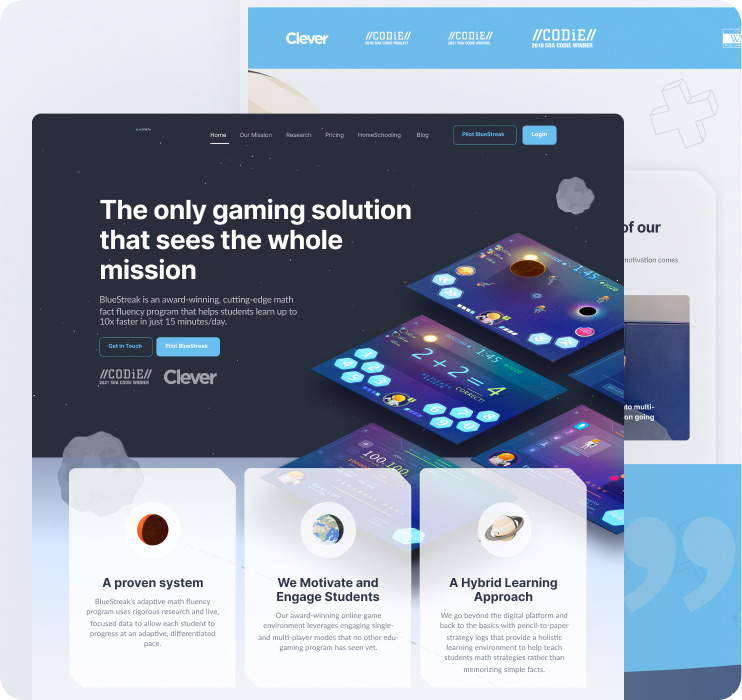
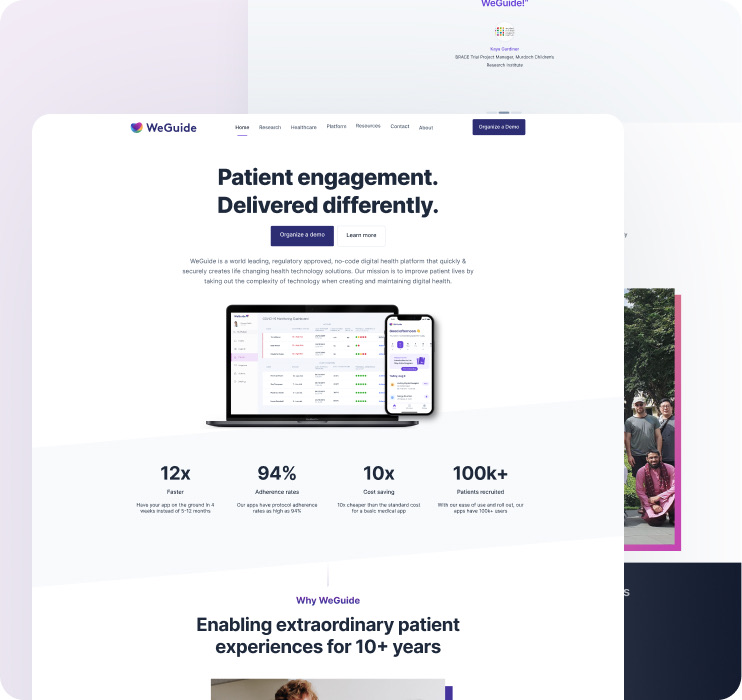
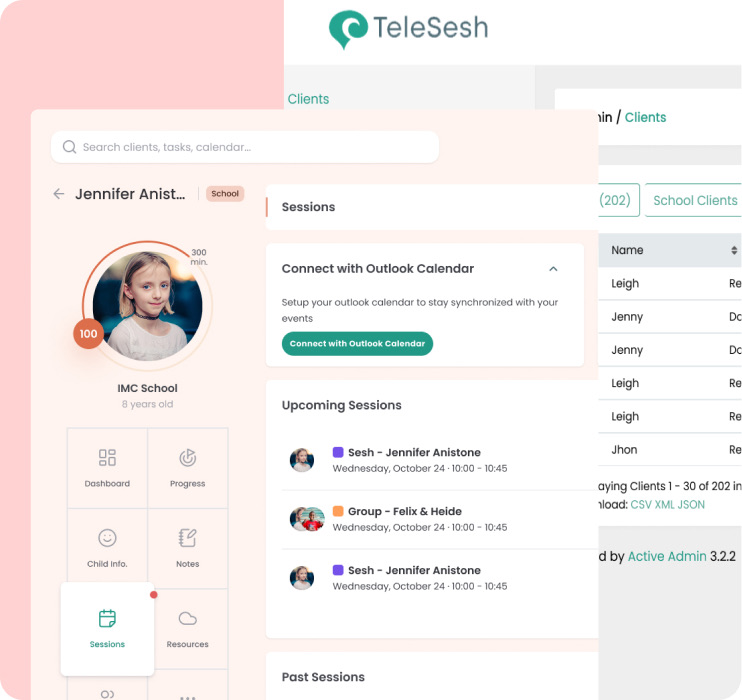
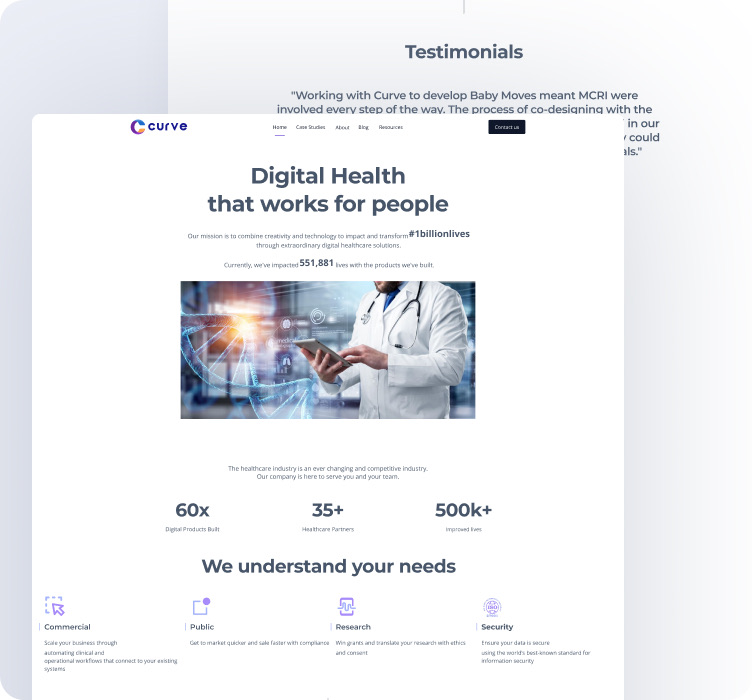
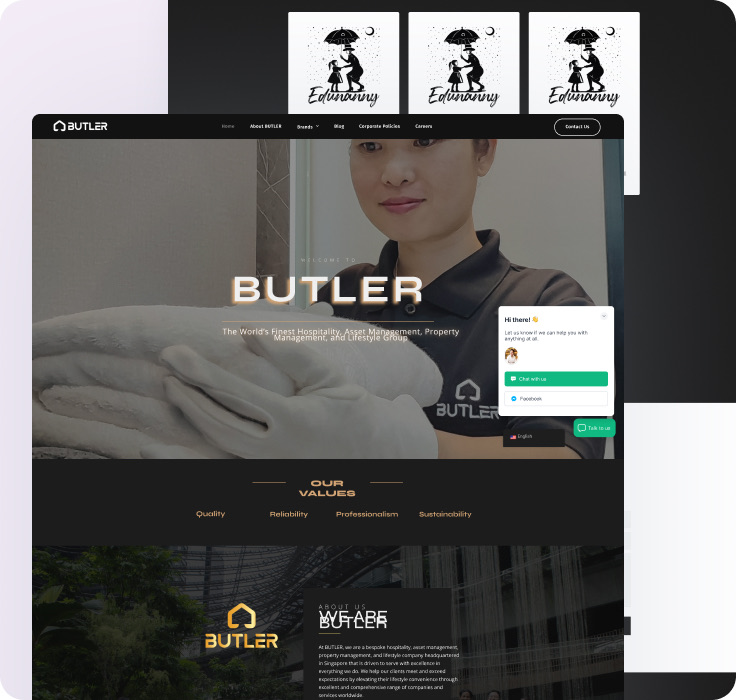
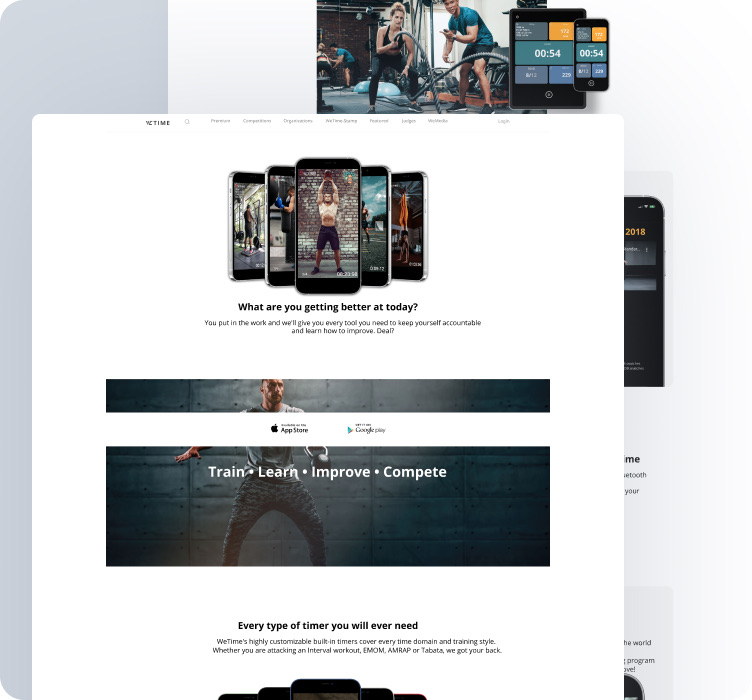
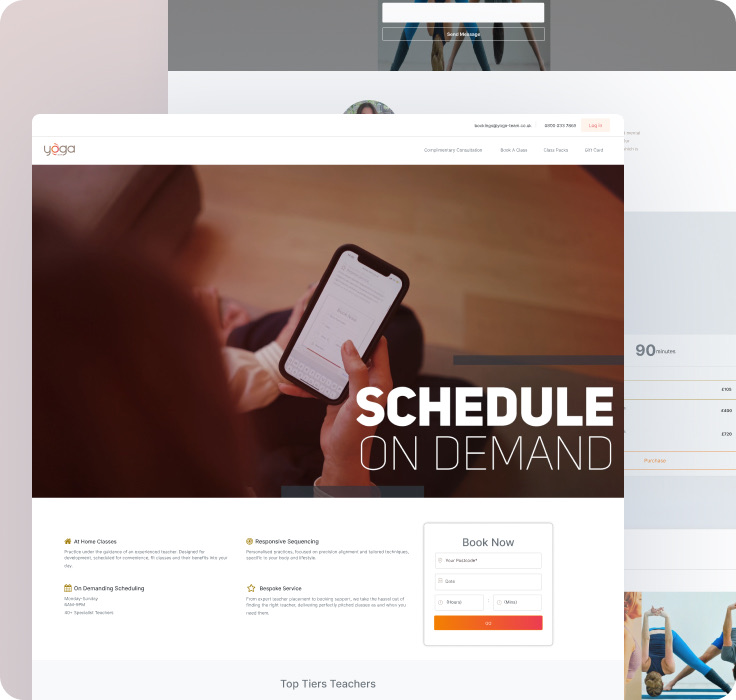
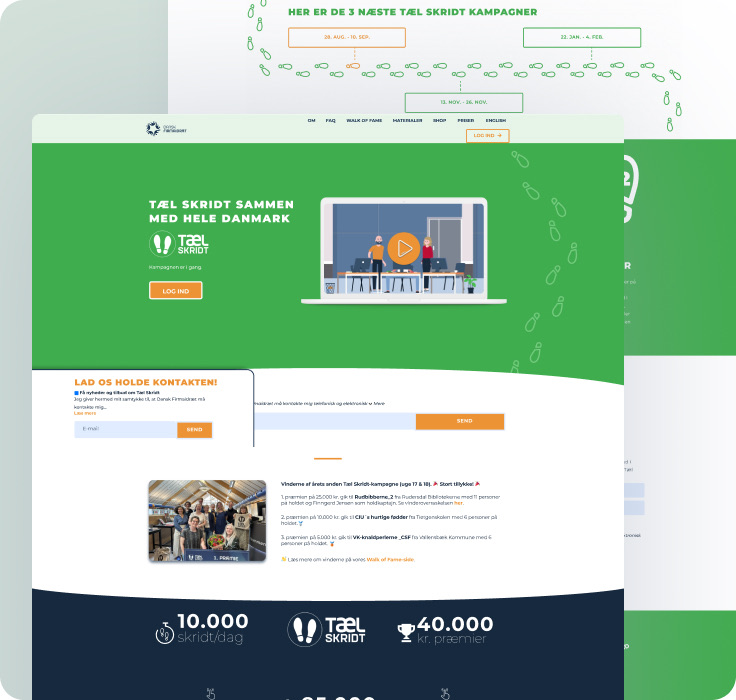
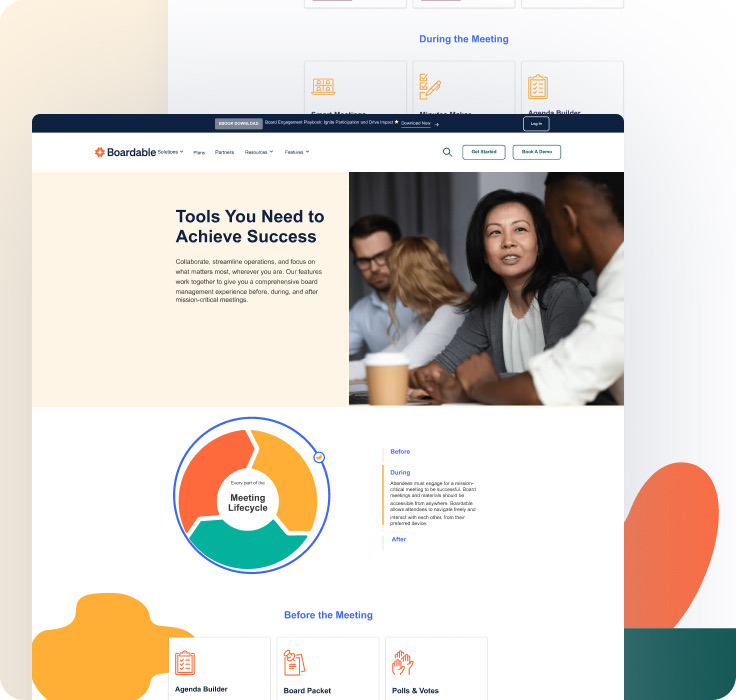
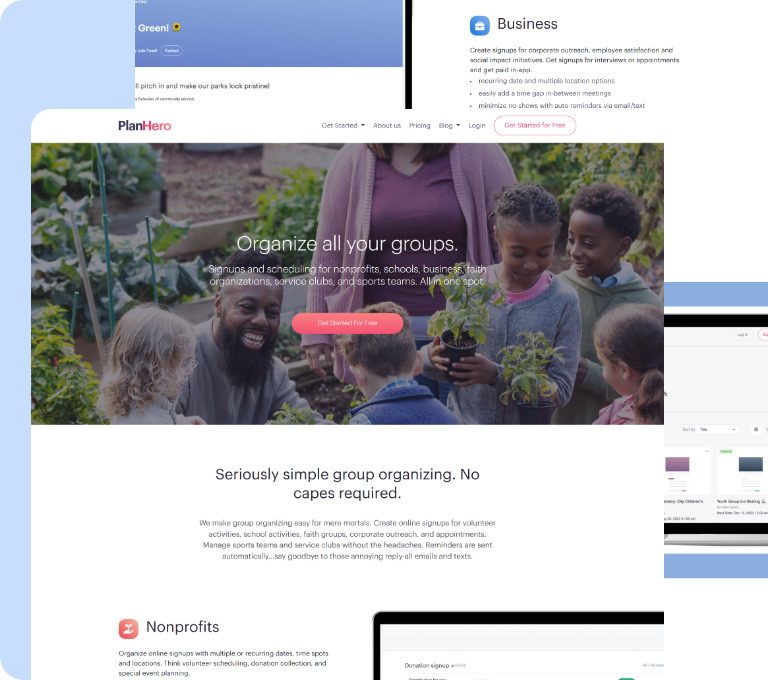
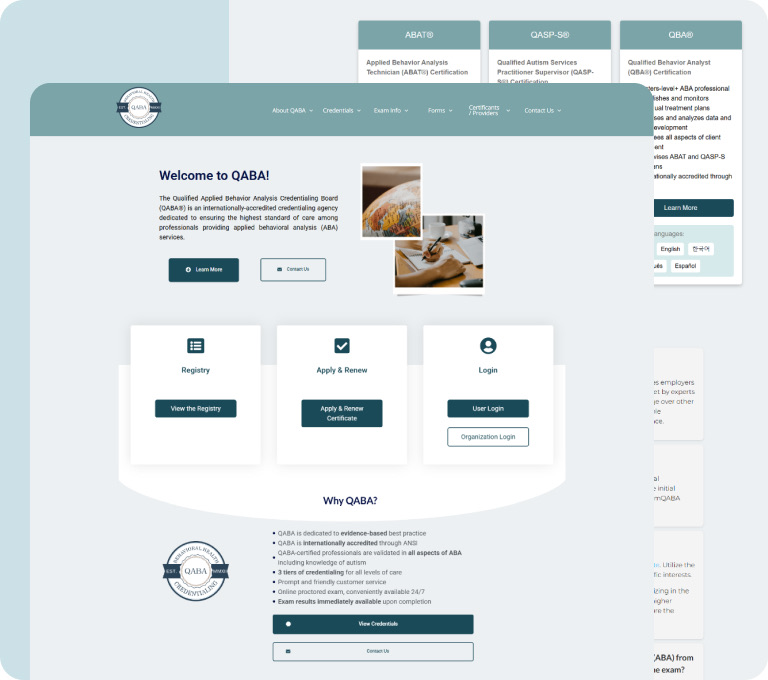
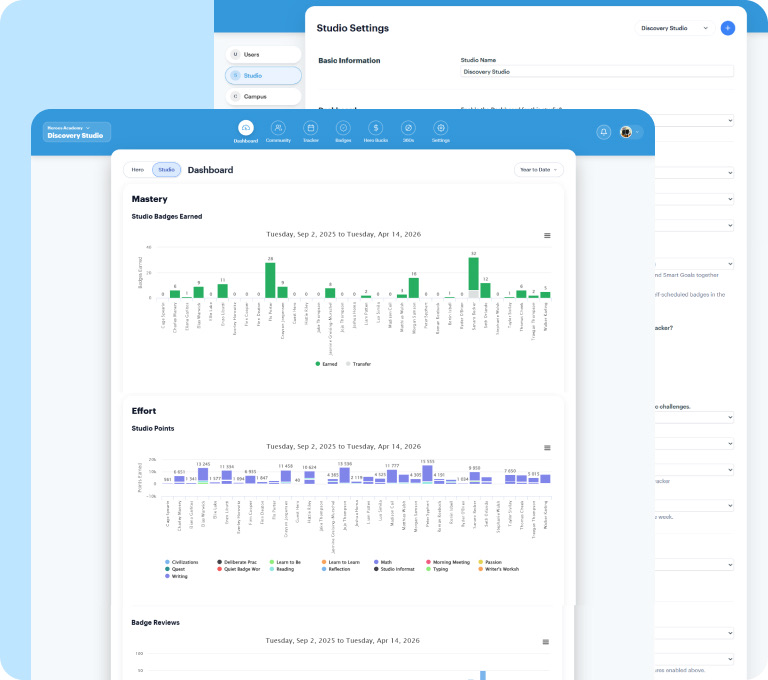
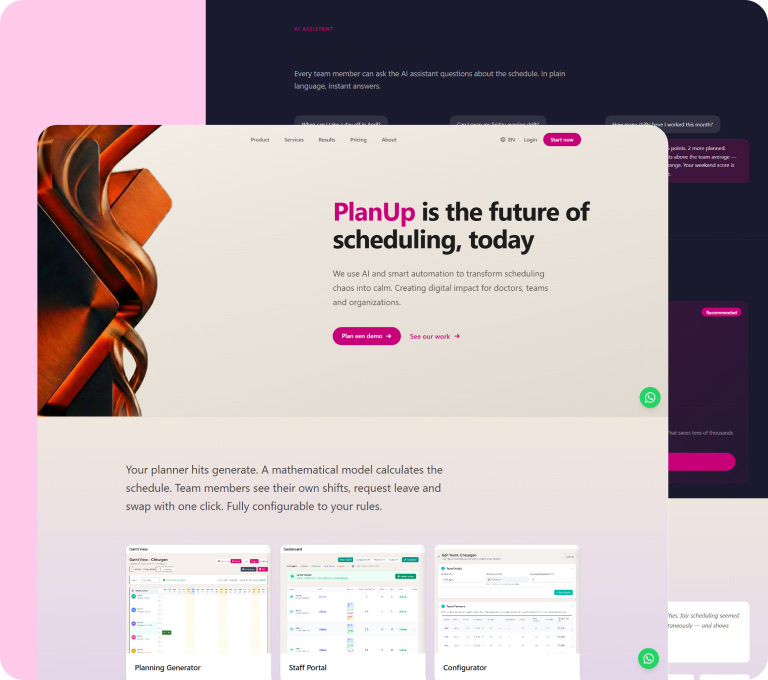
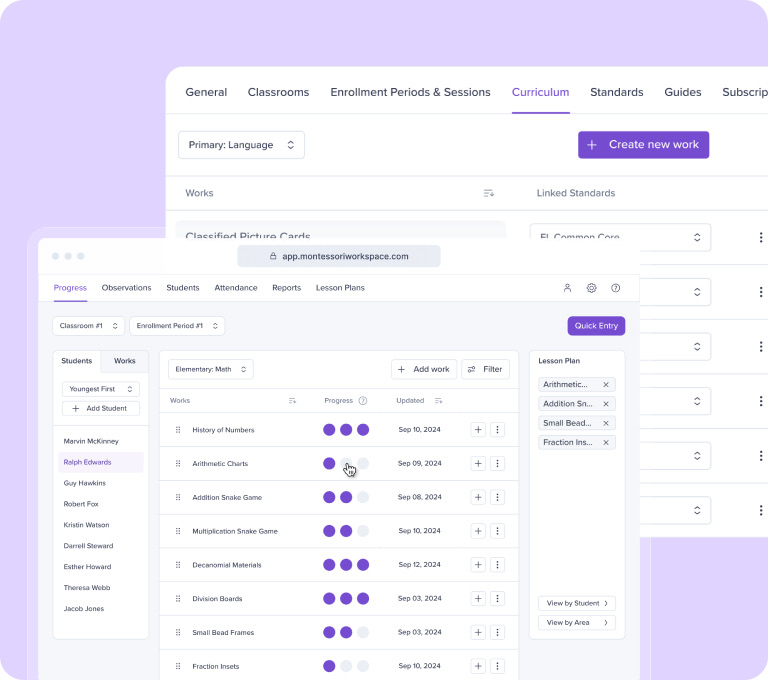
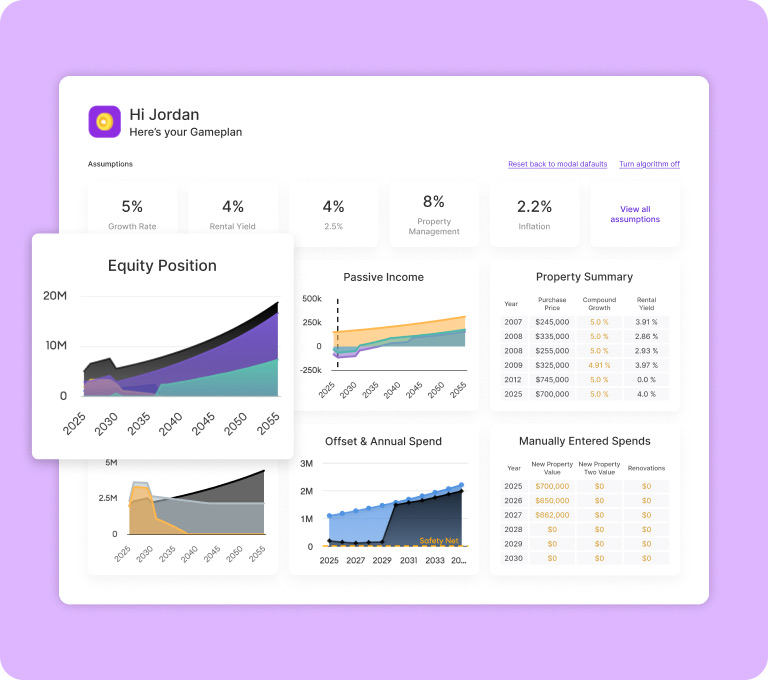
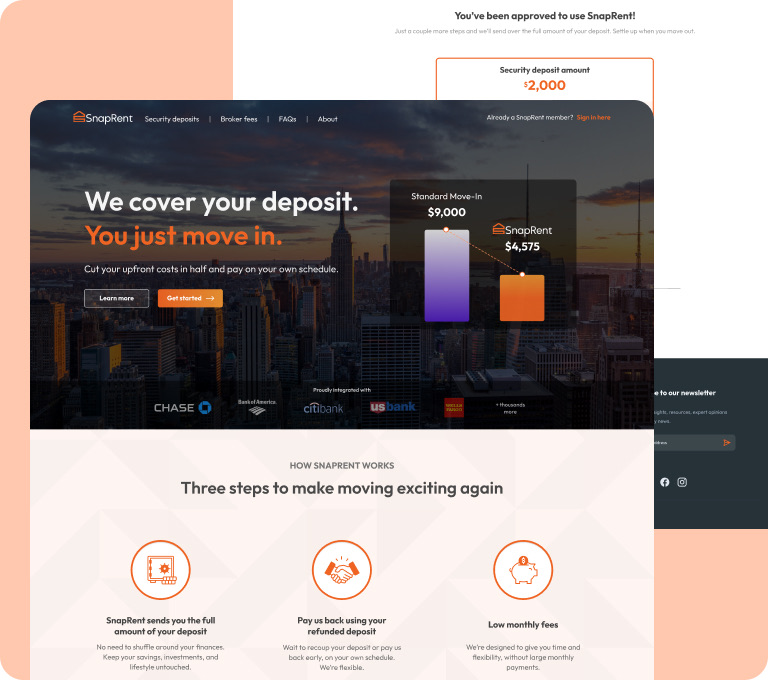
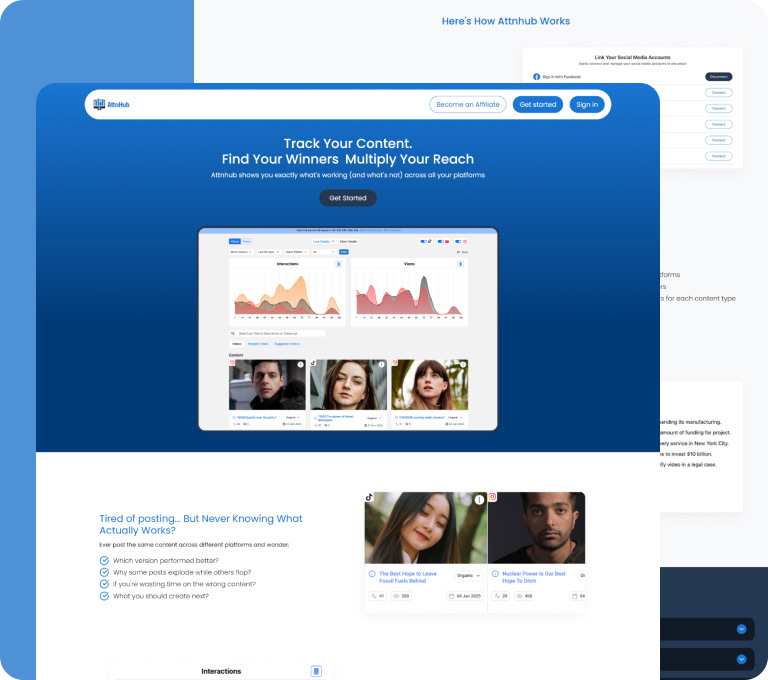
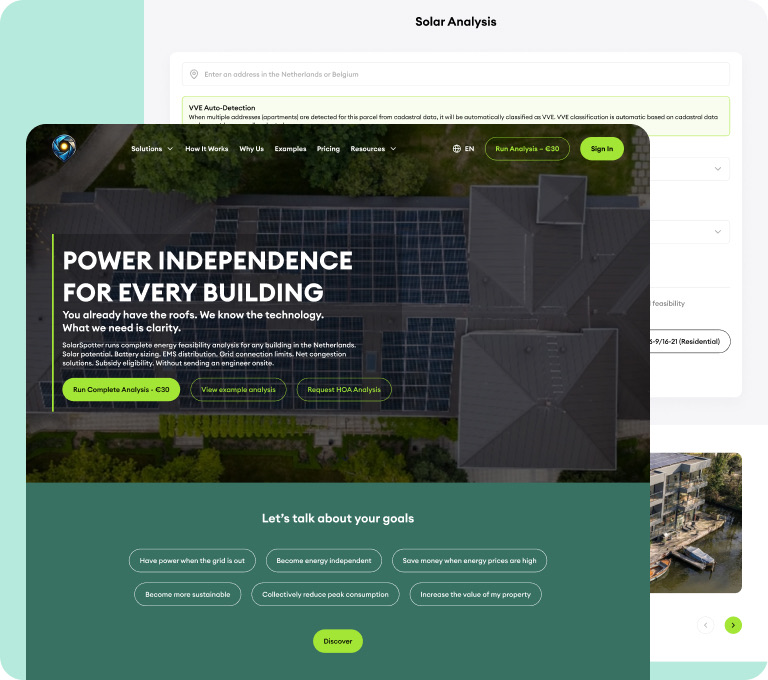
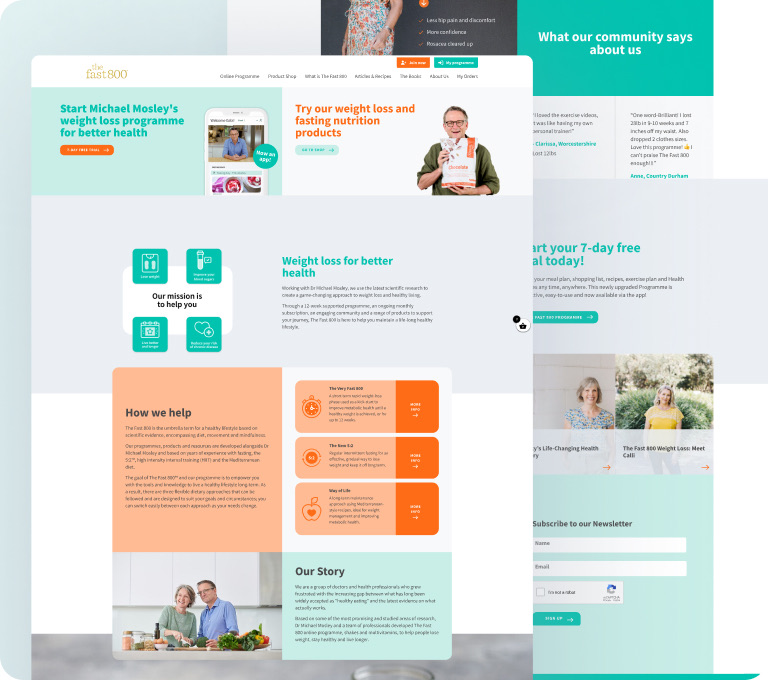
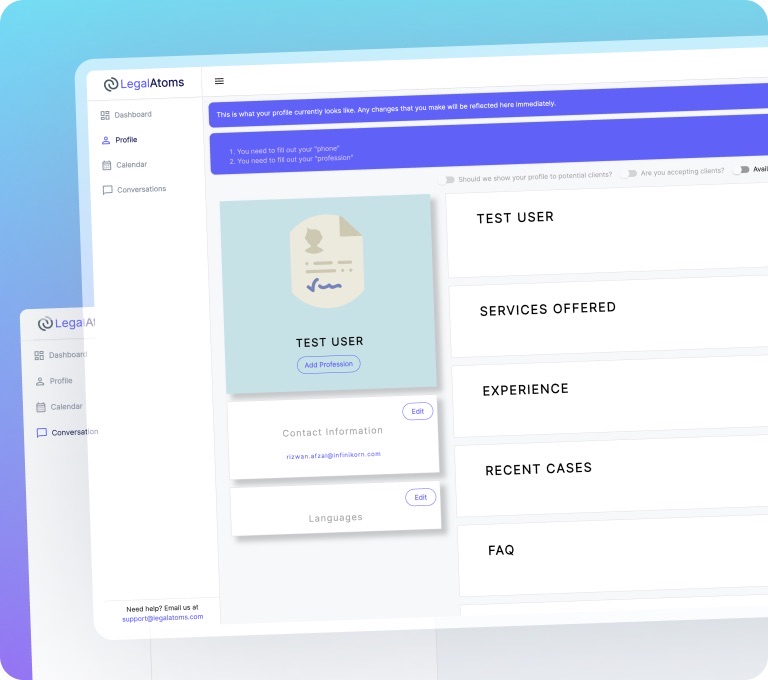
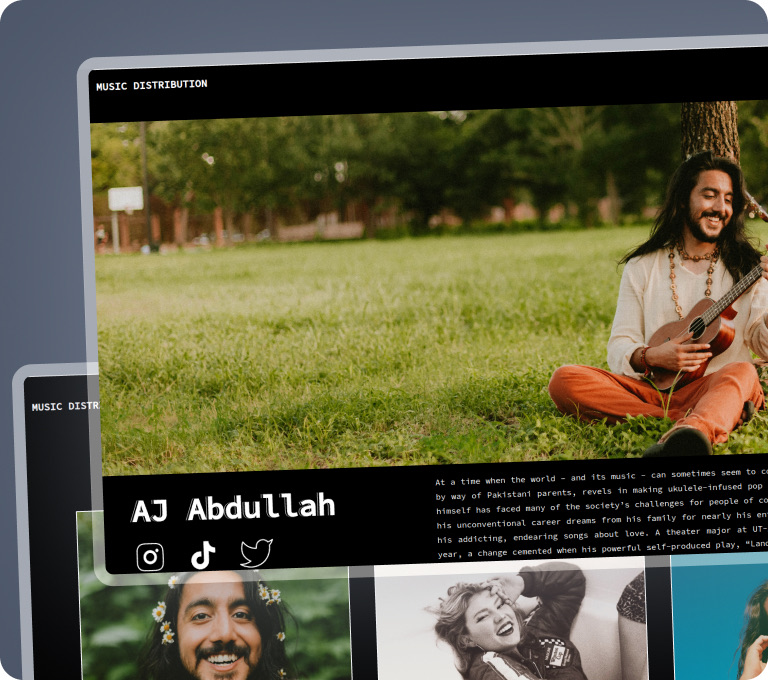
Platforms we designed, built and in most cases still maintain — across healthcare, edtech, fintech, marketplaces and fitness.








07Working together
You talk to the engineer, not an account manager.
No discovery theatre. You own the architecture note whether or not you hire us.
Scoping call
You talk to the senior engineer who will own it — not an account manager. We map the actual constraints: data, volume, latency, budget, what happens when the model is wrong.
45 minutes, free
Architecture note
A written plan before any code: stages, data flow, failure handling, review gates, stack and a fixed estimate. You own it whether or not you hire us.
Within a week
Build in the open
Weekly demo on a real staging environment, commits you can read, tests where they matter. No black box, no month-long silences.
Weekly cadence
Hand over or stay on
Documented, deployed and yours — with the runbook. Most clients keep us on retainer; several have for years. Neither is a trap.
Your call
Our Trusted Clients
We’re proud to partner with forward-thinking companies across industries.












08In their words
Clients who stayed, and said why.
“Infinikorn team are INCREDIBLE! They are knowledgable, very organized, have excellent communication skills, super organized and professional. Sohair came in after I had a bad experience with my first development team and improved our web app drastically over a short amount of time. I couldn't recommend him more!!”

Melissa Ramirez
Founder & CEO, TeleSesh
“We hired them initially for a Rails project but have continued to work with the Infinikorn team for more than a year now. They have great communication, technical skills, and a strong team that takes care of full-stack dev work. I'm continually impressed by their thoughtful approach to development and the speed at which the team is able to ship updates and features.”

Erich Rampel
Head of Product, WeGuide Healthcare
“The team has done a tremendous job. They're reliable, good communicators, and excellent developers. They go the extra mile and actively think along while creating new functionalities. They're an asset to any company developing high-quality software.”

Thijs S
Head of Product, WeGuide Healthcare
“Infinikorn team is absolutely wonderful to work with. They think and act like owners — going above and beyond expectations. I can't wait to work with them again and highly recommend!”

Blas Moros
Founder & CEO, The Blank App
“They understand and live customer satisfaction — being available, listening, ensuring a shared understanding, and constantly delivering above expectations. I highly recommend Infinikorn for reliability and professionalism, which is critical when timelines, quality, and limited resources are important.”

Keaobaka Ramantsi
MD, Social Networking
“Infinikorn has brought a great deal of expertise to our booking platform build. Communications are prompt and responsive, with a genuine desire to understand and support the growth of our business.”

Katie Sheikh
Founder, Yoga Team
“This is the third time we have collaborated with Infinikorn. Once again all our needs have been met and the job was completed both within the schedule and budget expected. Reliability cannot be understated in our industry.”

Pablo
Founder & CEO
“Really enjoyed working with Infinikorn. Work was done quickly, great communication, and will definitely be working with them again in the future. Highly recommend.”

Ali Schiller
Founder & CEO
09Questions
The things people actually ask.
Including the ones other agencies would rather you did not.
Most of them are shipping a prompt wrapped in a UI. Ask any vendor what happens when the model provider times out mid-job, whether the pipeline resumes or restarts, and who reviews a wrong answer before it reaches a customer. We build all three in from the start — our contract-intelligence pipeline runs a long chain of explicit stages with a human review gate and provider failover, and has done for over a year.
A senior-led team. Every project has a senior engineer who scopes it, reviews every merge and stays on it start to finish — you are never handed to whoever is free. If we do not have the right person for your project we will say so rather than staff it anyway.
Yes, and we are direct about it — that is what Agentic Engineering means. Agents accelerate the work; a senior engineer reviews, tests and owns everything that ships. The speed benefit is real, and so is the review discipline that makes it safe. Nothing reaches your repository unreviewed.
We are full-stack and deliberately not tied to one stack. Ruby on Rails, Node and Python/FastAPI on the backend; React, Next.js and TypeScript on the front; React Native for mobile; Postgres, MySQL and Redis underneath. On the AI side: OpenAI, Anthropic, LangChain, Portkey routing, Pinecone, the Vercel AI SDK. We choose what fits the problem — in the AI era the stack is far less of a constraint than it used to be.
Fixed estimate against a written architecture note for defined scope, or a monthly retainer for ongoing work. You see the estimate before you commit, and the architecture note is yours either way.
Frequently — it is a large share of what we do. It starts with a paid review: what is salvageable, what has to be rewritten, and what it will cost. You get that assessment in writing before anyone commits to a rebuild.
10Start here
Tell us what you are building. We will tell you what it takes.
Four short steps, then a real conversation with the engineer who would build it. No sales call, no discovery deck.
Rather just talk?
Grab 45 minutes. You will be on with an engineer, not a salesperson.
- No NDA needed to have the first conversation
- You keep the architecture note either way
- We will tell you if we are the wrong fit